
"ethnic minority farmers"
50 article(s) found

Vietnamese ethnic minorities try to reverse the reputation of Vietnamese Coffee
Vietnam's ethnic minorities are trying to grow better-quality organic coffee beans to polish the signboard of Vietnamese coffee. Vietnam, which has a reputation as the world's second-largest coffee producer, sells more than instant coffee, they say. Roland Liang GE (transliteration, Rolan Co Lieng) shuttles through the greenhouse to check the caramel yellow coffee beans that have been dried in a net for months. She grabbed a hand and sniffed it.

Vietnam coffee beans cultivation status quo-ethnic minorities try to reverse Vietnam coffee reputation
Professional coffee knowledge exchange More coffee bean information Please pay attention to coffee workshop (Weixin Official Accounts cafe_style) Vietnamese farmers pick coffee beans Vietnamese ethnic minorities are trying to grow quality machine coffee beans to polish the brand of Vietnamese coffee. Vietnam, they say, has a reputation as the world's second-largest coffee producer and sells more than instant coffee. Roland. Rol
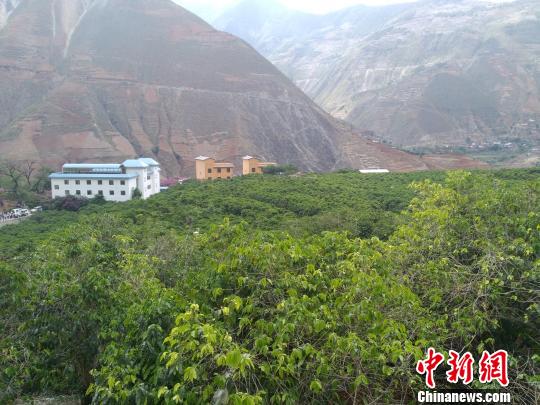
Experts and scholars from five countries in Yunnan Binchuan discuss the new development of century-old coffee
Professional baristas please follow the coffee workshop (Wechat official account cafe_style) on the 16th, coffee experts and scholars from China, the United States, Ethiopia, India and France gathered in Zhukula Village, Binchuan, Yunnan Province to open the Zhu Kula Coffee Forum to discuss the future of the century-old coffee-Zhukula Coffee, in order to help ethnic minorities shake off poverty and become rich and Yunnan Coffee goes out. Chinanews.com, Binchuan, Yunnan

Thailand "bag Orange" Coffee Manor Coffee Bean Manor in Asia
Because of his love of coffee, Coffee Prince ou Guohao went to Chiang Rai, Thailand last month to visit the Coffee Orange (Tujing Chang) coffee plantation in the high-altitude mountains to spend three nights with local farmers and minority ethnic groups to experience the painstaking process of growing and producing grains. In this episode, because of his love of coffee, Coffee Prince ou Guohao went to Chiang Rai, Thailand, last month to visit the bag orange (Tujing Chang), which is located in the high-altitude mountain area.

Thailand "bag Orange" Coffee Manor
Because of his love of coffee, Coffee Prince ou Guohao went to Chiang Rai, Thailand last month to visit the Coffee Orange (Tujing Chang) coffee plantation in the high-altitude mountains to spend three nights with local farmers and minority ethnic groups to experience the painstaking process of growing and producing grains. In this episode, the 75-minute extended version of poor travel to the world, as well as a new session hosted by aviation man, will take you to experience the customs of various countries during the Spring Festival. A toast.

Thai "Bag Orange" Coffee Estate
Because of his love for coffee, coffee prince Ou Guohao went to Chiang Rai, Thailand last month to visit the bag orange (Doi Chang) coffee plantation located in the high-altitude mountain area. He spent three nights with local farmers and ethnic minorities to experience the hard planting and production process. This episode, the 75-minute extended version of the poor travel world, there are new links led by the airline man, take you to experience the customs of the New Year in various countries. Jing

Thailand "bag Orange" Coffee Manor
Because of his love of coffee, Coffee Prince ou Guohao went to Chiang Rai, Thailand last month to visit the Coffee Orange (Tujing Chang) coffee plantation in the high-altitude mountains to spend three nights with local farmers and minority ethnic groups to experience the painstaking process of growing and producing grains. In this episode, the 75-minute extended version of poor travel to the world, as well as a new session hosted by aviation man, will take you to experience the customs of various countries during the Spring Festival. A toast.

Thailand "bag Orange" Coffee Manor
Because of his love of coffee, Coffee Prince ou Guohao went to Chiang Rai, Thailand last month to visit the Coffee Orange (Tujing Chang) coffee plantation in the high-altitude mountains to spend three nights with local farmers and minority ethnic groups to experience the painstaking process of growing and producing grains. In this episode, the 75-minute extended version of poor travel to the world, as well as a new session hosted by aviation man, will take you to experience the customs of various countries during the Spring Festival. A toast.

Thailand "bag Orange" Coffee Manor World Coffee Bean Manor
Because of his love of coffee, Coffee Prince ou Guohao went to Chiang Rai, Thailand last month to visit the Coffee Orange (Tujing Chang) coffee plantation in the high-altitude mountains to spend three nights with local farmers and minority ethnic groups to experience the painstaking process of growing and producing grains. In this episode, the 75-minute extended version of poor travel to the world, as well as a new session hosted by aviation man, will take you to experience the customs of various countries during the Spring Festival. A toast.

Burmese Coffee Map introduction of Burmese Coffee varieties what kind of coffee is there in Myanmar?
Professional coffee knowledge exchange more coffee bean information Please follow the coffee workshop (Wechat official account cafe_style) Burma began to grow coffee beans in 1885, but for nearly a hundred years, there has been no sign of export or business. In the middle and late twentieth century, the United Nations Drug abuse Control Program (UNDCP) was launched to encourage Burmese farmers to give up opium poppy cultivation.

Burundian Coffee Flavor and taste introduction to the characteristic varieties of high-quality coffee beans in the manor area
There are two major ethnic groups in Burundi, and only about 15 percent of the Tutsi have ruled the country since the 16th century, controlling the civilian population, which is mainly made up of Hutu, plus a very small number of indigenous Twa. This abnormal social structure in which ethnic minorities occupy a high position has buried the evil seed of national instability, and in 1

Description of Tanzania Coffee Flavor of Dark Chocolate after Rhyme introduction of Grinding degree of varieties in producing areas
About 95 per cent of the total population in Tanzania is Bantu speakers, 4 per cent are Nilot speakers, and another 1 per cent of the population is made up of Arabs, Indo-Pakistanis and Europeans and descendants of the above-mentioned ethnic minorities who intermarry with locals. At present, there are 126 ethnic groups, including SUKUMA, MAKONDE, CHAGA, HAYA and NYAMWEZ
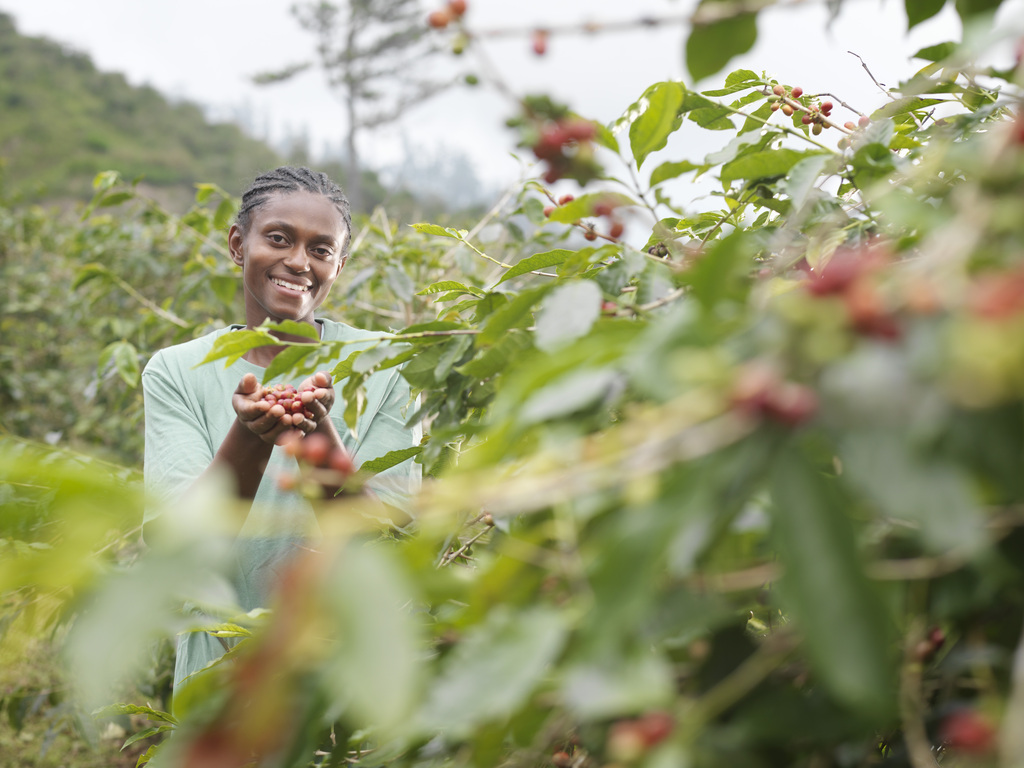
The Story of an American and Pu'er Coffee
For most Pu'er people, Mini Coffee is a slightly unfamiliar name. It is headed by tim, a handsome guy from the United States. The main coffee brand of Mini Coffee is translated into Chinese as Hamini. This is a kind of boutique coffee beans, and its production process completely follows the standard technology of fine coffee. Most of the coffee here is exported abroad, but many people who have drunk Hamini coffee

What kind of coffee is there in Sulawesi, Indonesia? Tonaga Toraja Coffee and Carlos kalosi Coffee area
Professional coffee knowledge exchange more coffee bean information please follow the coffee workshop (Wechat official account cafe_style) Indonesian Coffee-Toraja Coffee [TORAJA] is a local minority living in the central plateau of Sulawesi Island [ISLAND SULAWESI] in Indonesia. Sulawesi was formerly known as Celebes [CELEBES], and the Toraja people are

Unique soft floral flavor of Yega Chuefei Adordo Coffee. Introduction to the characteristics of the manor area.
Since EGF came to power in 2000, it has established a federal regime based on regional national autonomy, focusing on economic development and focusing on the coordination of relations among stability, development and national unity. [1] on December 8, 1994, the Ethiopian Constituent Assembly adopted the fourth Constitution, the Constitution of the Federal Democratic Republic of Ethiopia, which entered into force on 22 August of the following year. The new constitution consists of 11 chapters and 106 articles

Introduction to the flavor and taste characteristics of Tanzania coffee manor with pure flavor and fragrance.
Tanzania's main coffee producing area, located at the foot of Mount Kilimanjaro, is rich in volcanic soil. Some coffee trees planted here are more than 100 years old. Coffee was first introduced by Christians from Kenya to grow coffee. Coffee trees must be carefully taken care of, weeded and fertilized. And old branches must be cut off so that new branches can grow to maintain the quality of coffee beans.

Introduction to the exquisite 72-hour washing production area of Jiamoni, Kenya
Country: Kenya region: Kirinaga Kirinyaga altitude: 1700-1800m soil: volcanic soil variety: sl-28,sl-34 treatment: 72-hour washing processing plant Kiangombe factory is 2 kilometers from the town of Kimunye in Kirinaga, named after the Kikuyu, Kenya's largest ethnic minority group.

Introduction to the taste of Vietnamese highland coffee _ what brands of Vietnamese coffee are recommended _ is Vietnamese coffee expensive
Professional coffee knowledge exchange more coffee bean information please follow the coffee workshop (Wechat official account cafe_style) Vietnamese ethnic minorities are trying to grow better quality organic coffee beans to polish the signs of Vietnamese caffeine. Vietnam, which has a reputation as the world's second-largest coffee producer, sells more than instant coffee, they say. Roland. Liang GE (transliteration, Rolan Co L

A brief introduction to the History and Culture of the Origin and Development of Coffee in Ethiopian Coffee Manor
Yega Xuefei is a small town, 700-21000 meters above sea level, synonymous with Ethiopian boutique coffee. It has been a wetland since ancient times. The ancient saying "Yirga" means to settle down and "Cheffe" means a wetland. The mode of production and flavor of coffee here are so outstanding that Ethiopian coffee farmers compete to take pride in the flavor of their coffee, and thus become Africa.
Nestl é promotes a business model in Yunnan to encourage farmers to grow coffee
Forbes magazine reported on May 14 that at the turn of the century, coffee trees were planted instead of tea trees in the hilly areas of southern Yunnan due to the entry of Nestl é. This has also succeeded in creating huge new wealth for the local area and changing the way of life of local farmers.